Kitsune Udon
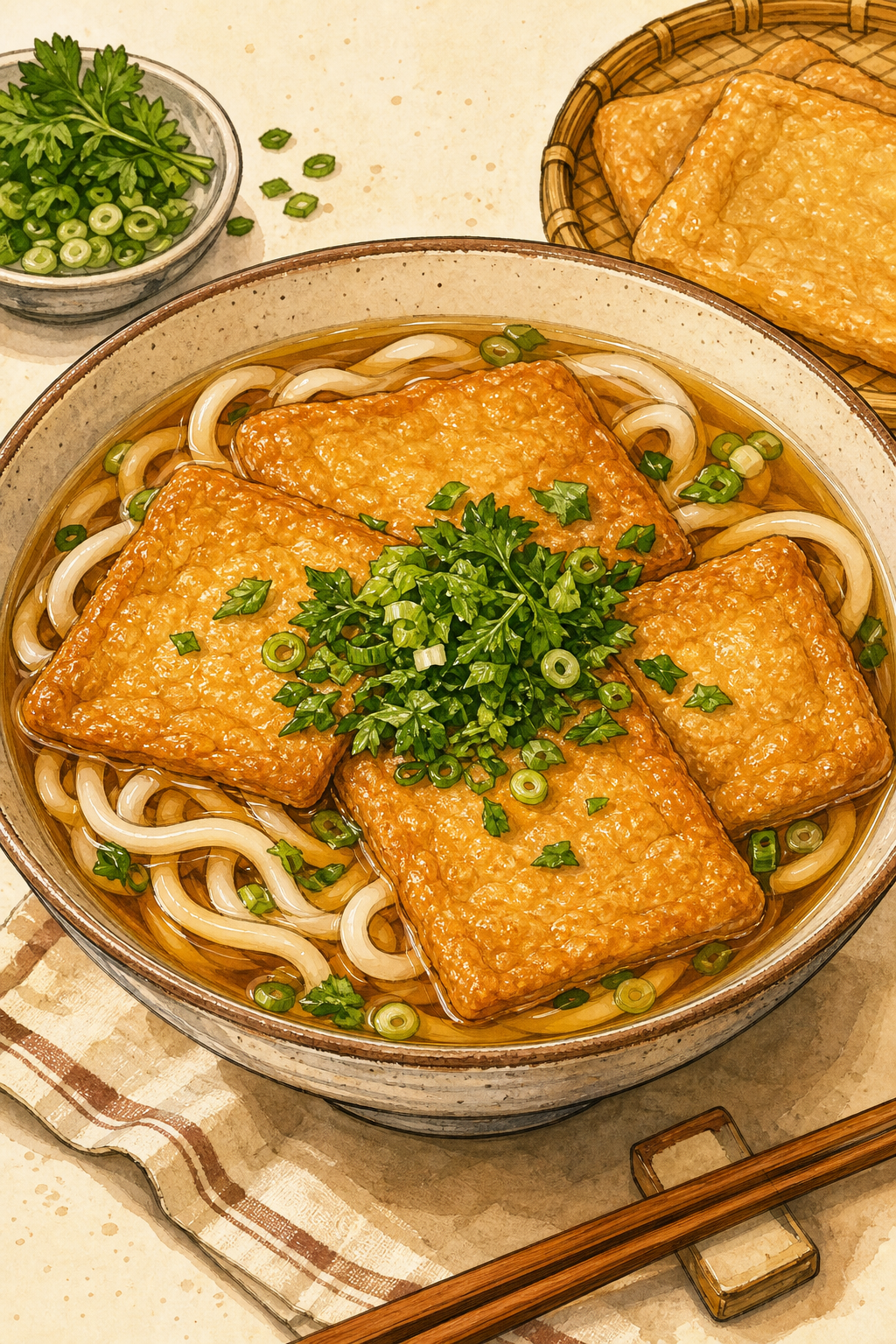
Kitsune Udon is a comforting Japanese noodle dish featuring thick udon noodles served in a warm dashi broth. Topped with sweetened fried tofu, this dish is both satisfying and easy to make at home.
Plan and shop
Save this recipe for real-life cooking
Build a local shopping list or place this recipe into a weekly meal plan. No account is required.
Illustrated cooking guide
Step-by-step visual method
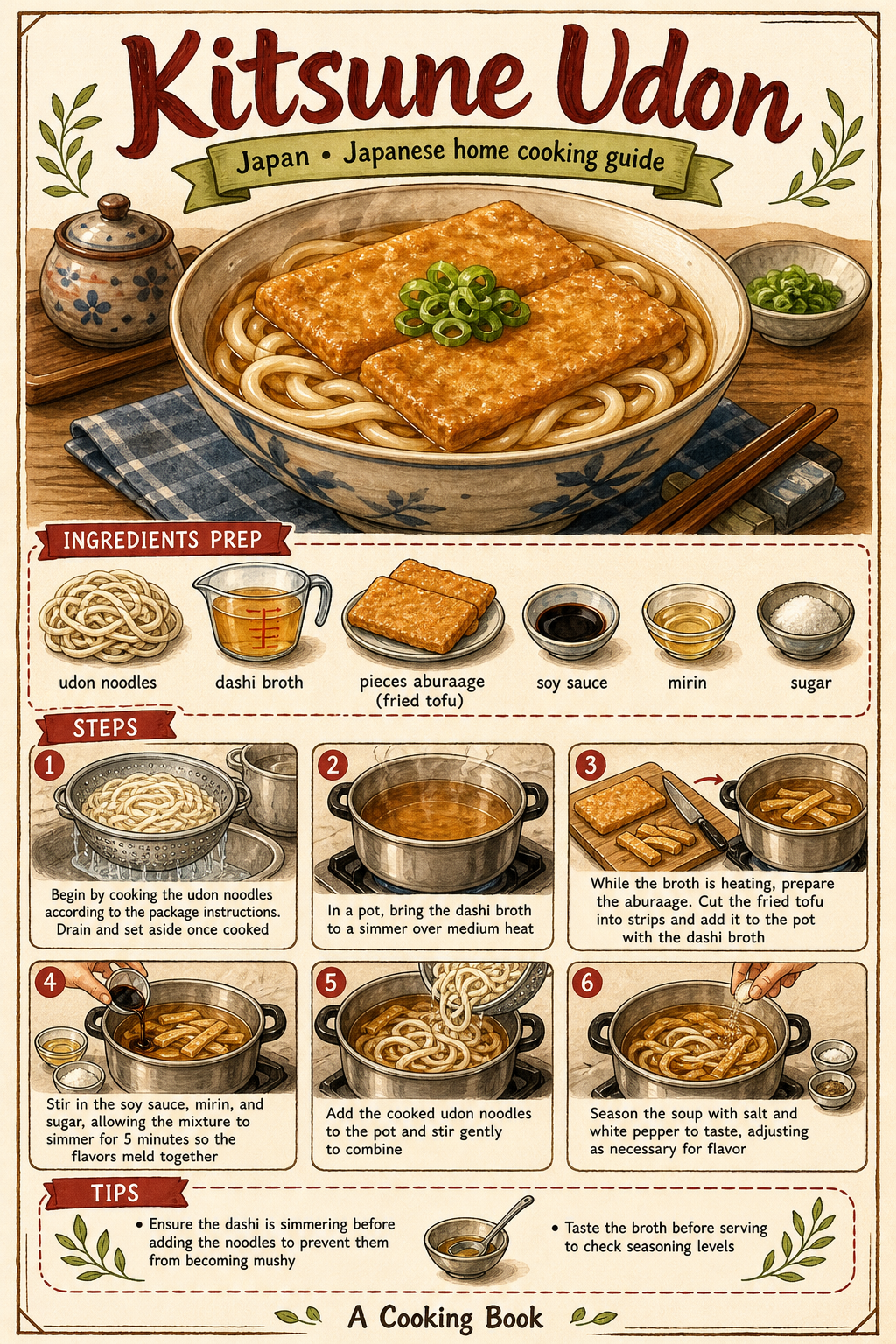
A polished English infographic for the whole cooking flow, paired with the full written recipe below for detail and SEO.
Written method
Instructions
Read through once, then cook at your own pace with the illustrated guide above.
- 1
Begin by cooking the udon noodles according to the package instructions. Drain and set aside once cooked.
- 2
In a pot, bring the dashi broth to a simmer over medium heat.
- 3
While the broth is heating, prepare the aburaage. Cut the fried tofu into strips and add it to the pot with the dashi broth.
- 4
Stir in the soy sauce, mirin, and sugar, allowing the mixture to simmer for 5 minutes so the flavors meld together.
- 5
Add the cooked udon noodles to the pot and stir gently to combine.
- 6
Season the soup with salt and white pepper to taste, adjusting as necessary for flavor.
- 7
Ladle the udon and broth into bowls, ensuring each bowl has a generous amount of aburaage on top.
Cook notes
Tips
Ensure the dashi is simmering before adding the noodles to prevent them from becoming mushy.
Taste the broth before serving to check seasoning levels.
Cook smarter
Helpful notes
Practical storage, serving, swap, and troubleshooting notes for a better first try.
Storage Tips
- Keep the broth and noodles separate to avoid sogginess when storing leftovers.
- Reheat the broth gently on the stovetop to keep flavors intact.
Substitutions
- Use vegetable broth in place of dashi for a vegetarian option.
- If mirin is unavailable, you can substitute with a mixture of rice vinegar and sugar.
What to Serve With
- A side of pickled vegetables complements the dish well.
- Serve with steamed rice for a more filling meal.
Common Mistakes
- Avoid overcooking the udon noodles to keep them chewy.
- Don't skip the seasoning step, as it enhances the overall flavor of the dish.
Recipe FAQ
What is aburaage?
Aburaage is a type of fried tofu that is slightly sweet and adds a delicious texture to the Kitsune Udon.
Can I use other noodles instead of udon?
While udon is traditional, you can use thick rice noodles or soba noodles for a different texture.
How do I store leftover Kitsune Udon?
Store leftover udon and broth separately in airtight containers in the refrigerator for up to 2 days.
Kitchen tools
Helpful Tools for This Recipe
A light, editable placeholder for future partner recommendations. No real affiliate links are enabled yet.
Rice cooker
Good for steady rice, grains, and meal-prep bowls.
Blender
Helpful for smooth sauces, soups, marinades, and purees.
Saucepan
Useful for simmering sauces, soups, grains, and small-batch stews.
Chef knife
A basic prep tool for vegetables, herbs, aromatics, and proteins.
Cutting board
Keeps prep organized for chopping, slicing, and staging ingredients.
Some links may be affiliate links. As an Amazon Associate or partner, we may earn from qualifying purchases when enabled. Read the Affiliate Disclosure.
Cook along weekly
Want more illustrated recipes like Kitsune Udon?
Join the World Recipe Letter for global home-cooking ideas and visual recipe guides.
Join the World Recipe Letter
Get 5 illustrated recipes every week.
No account needed. Unsubscribe when email delivery is connected.
Cook next
You might also like
More flavors from the same country or nearby pantry style.
Chicken Teriyaki Donburi
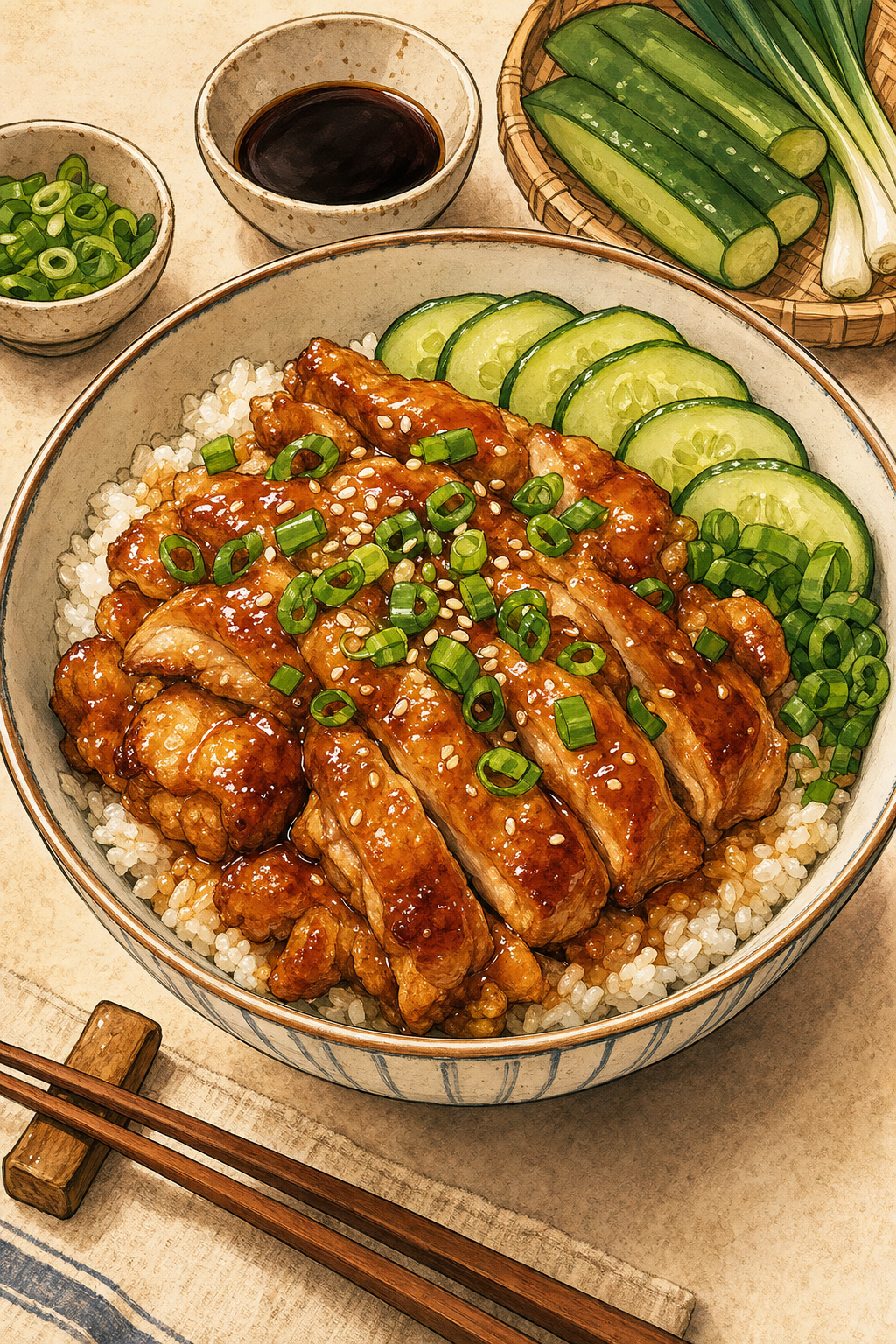
A glossy chicken rice bowl with quick teriyaki sauce, cucumber, scallions, and sesame.
Vegetable Miso Ramen
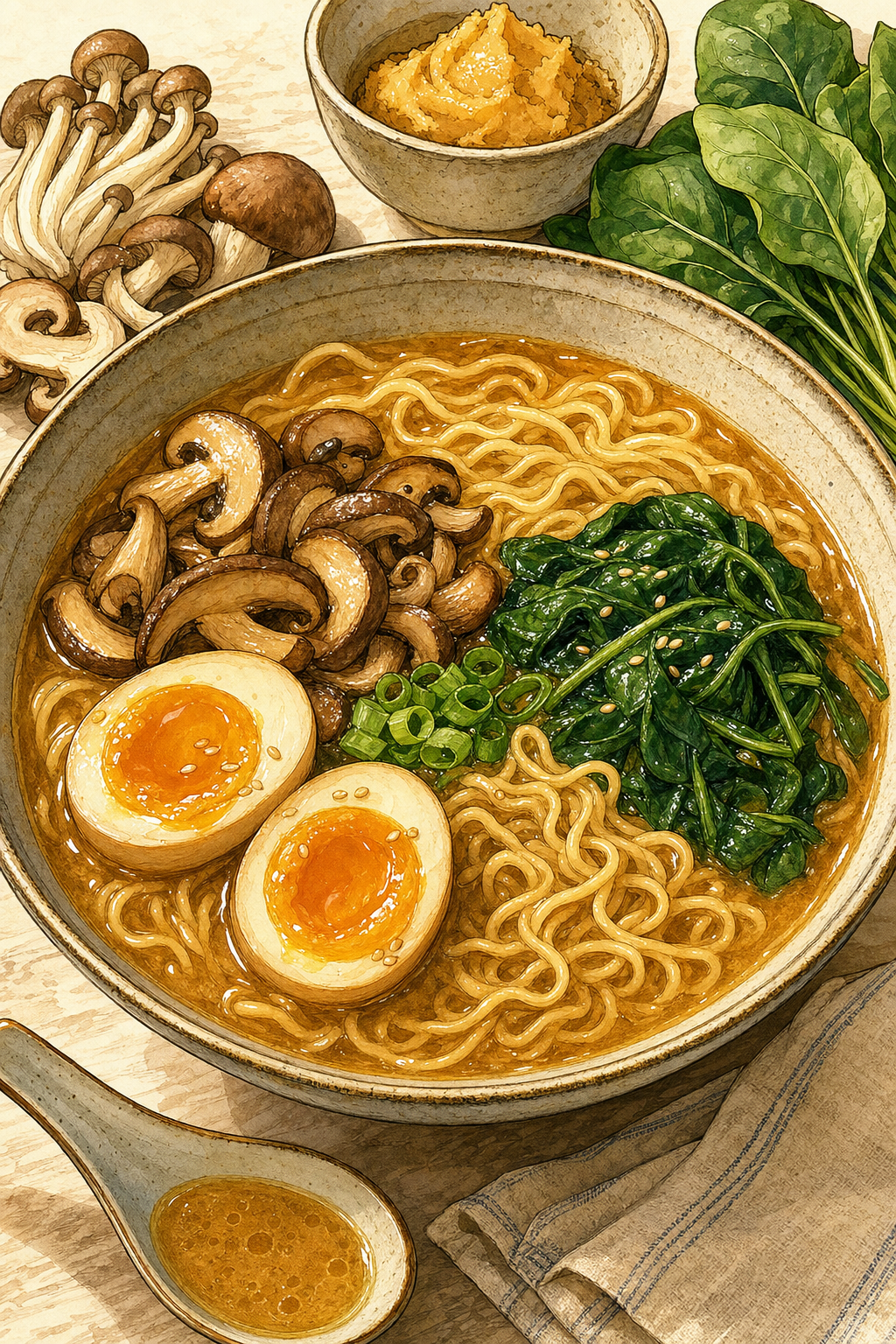
A cozy vegetarian ramen with miso broth, noodles, greens, mushrooms, and jammy eggs.
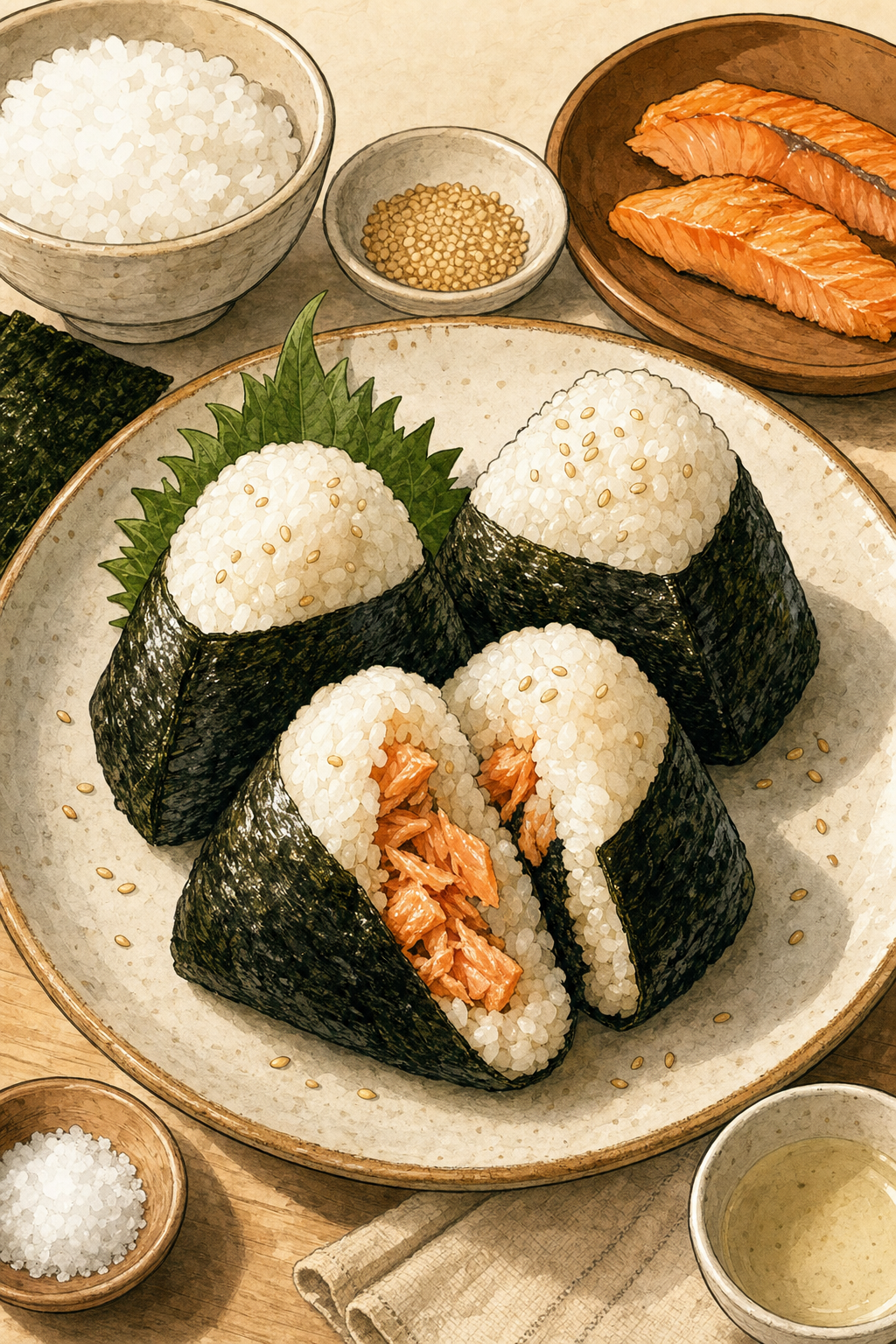
Salmon Onigiri
Hand-shaped rice balls filled with flaky salmon and wrapped in crisp nori.